History | Pearling in Bahrain

Early History

Pearling in the Arabian Gulf extends back over seven millennia, with evidence
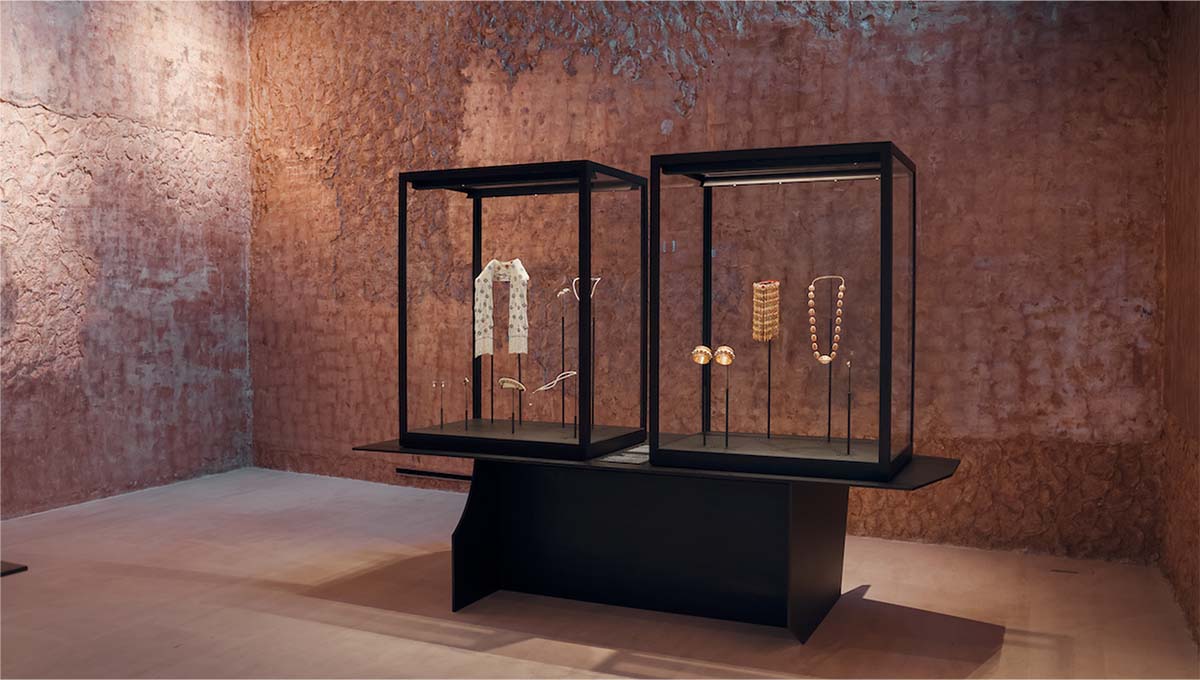
of pearl gathering since the Neolithic period. In Bahrain, archaeological evidence from the Dilmun and Tylos civilisations, including shells and pearl jewellery, indicates the early practice of pearling. During these periods,
Bahrain became a major source of high-quality pearls within regional and Mediterranean trade networks, with demand continuing to grow through
the medieval and later periods.
Pearling Economy

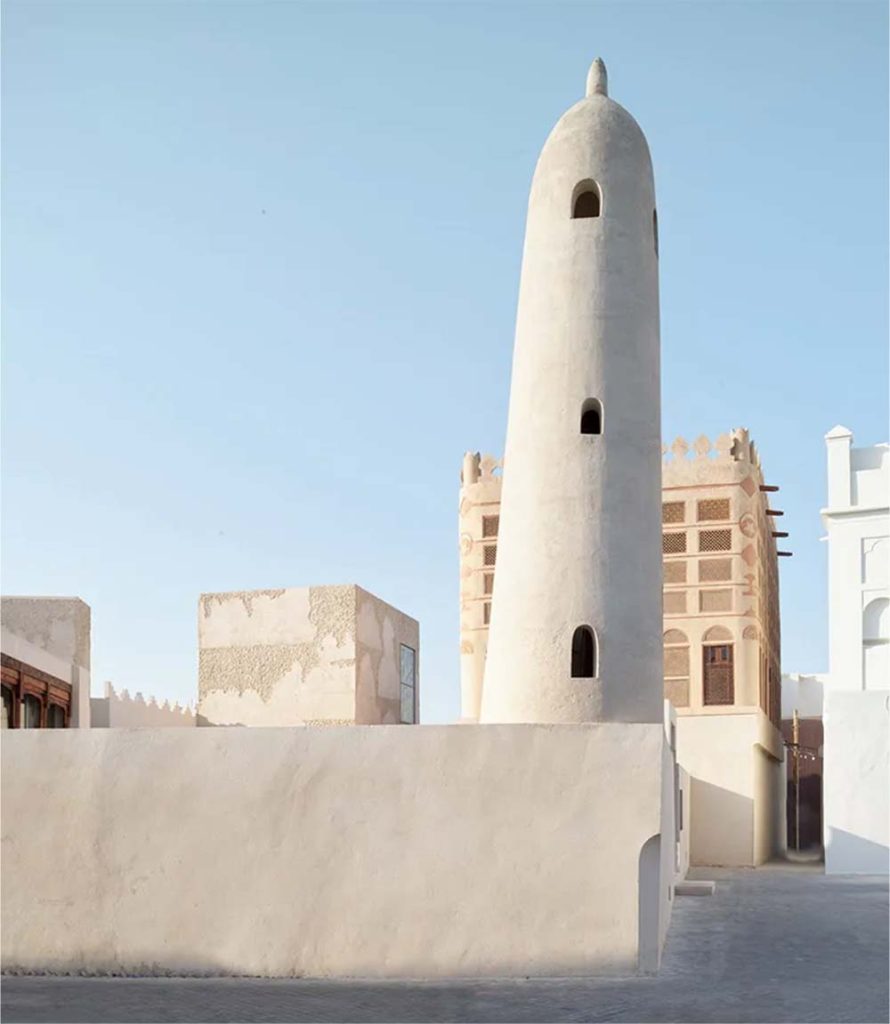
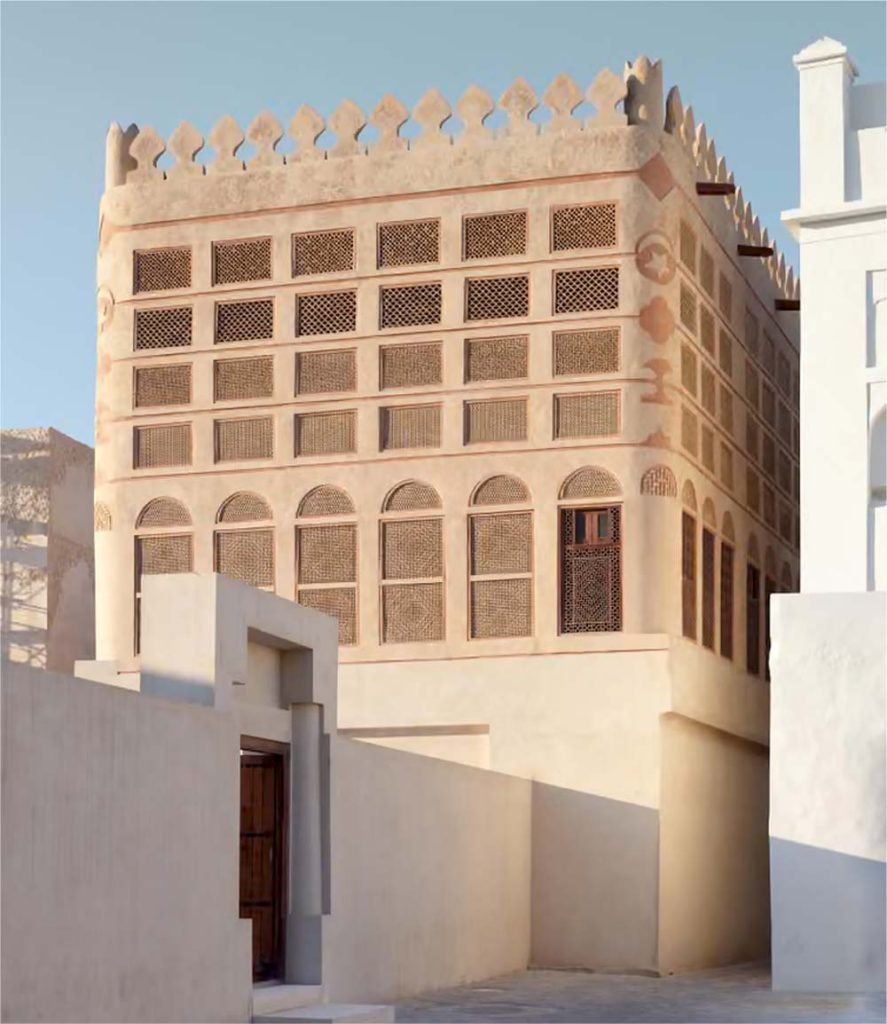
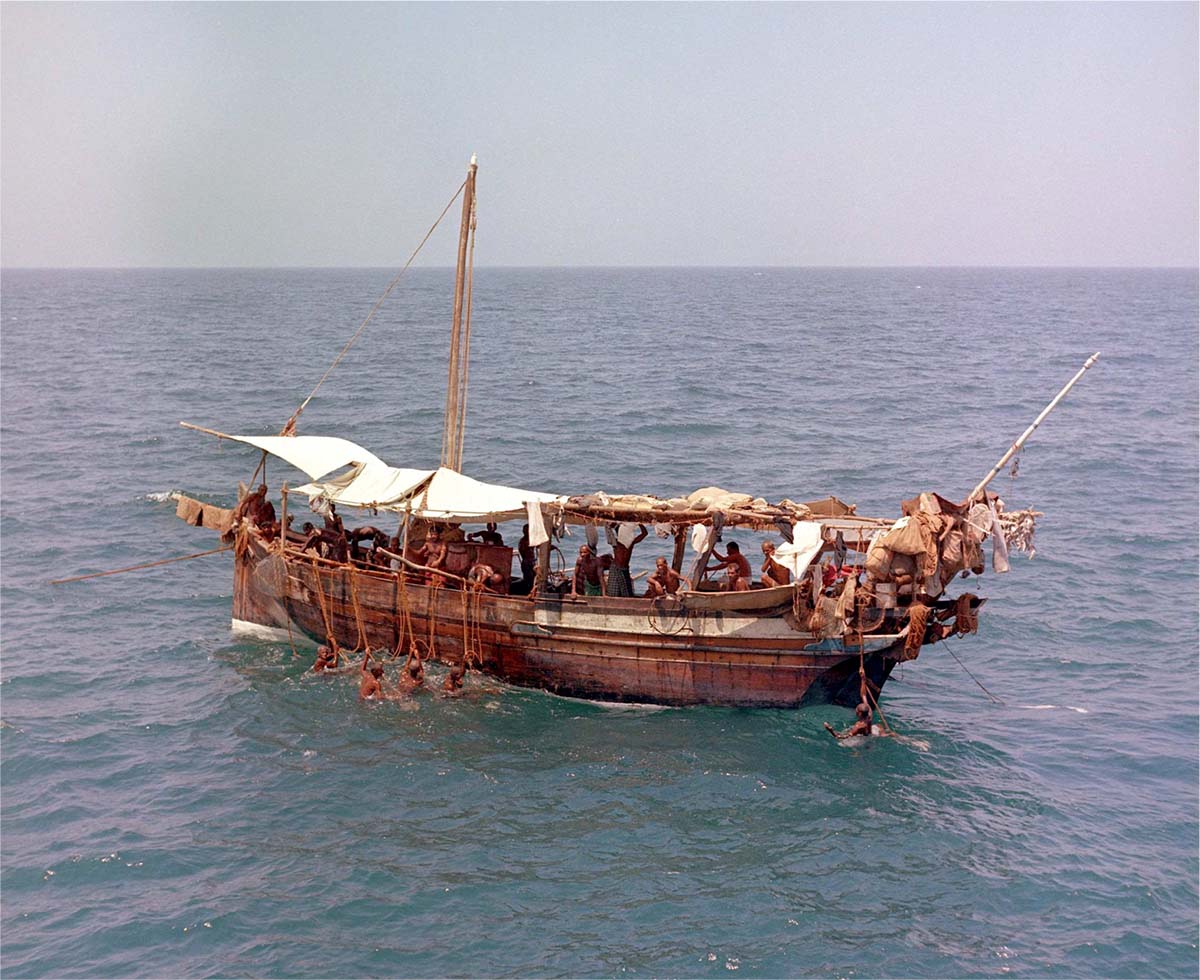
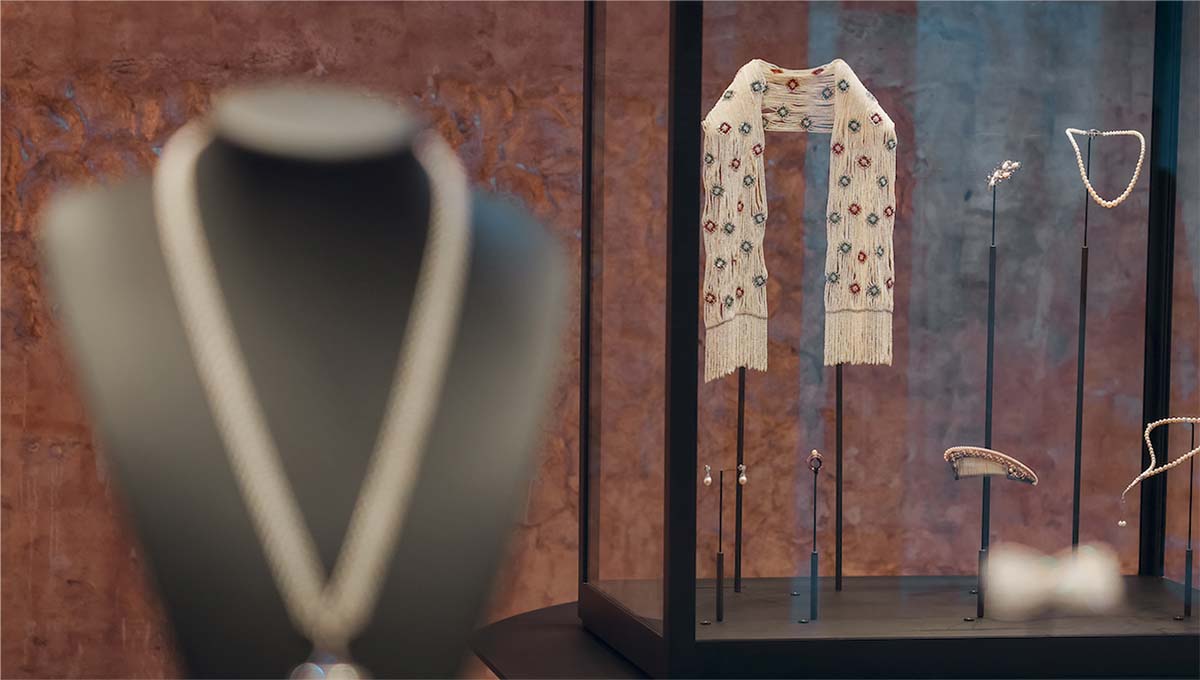
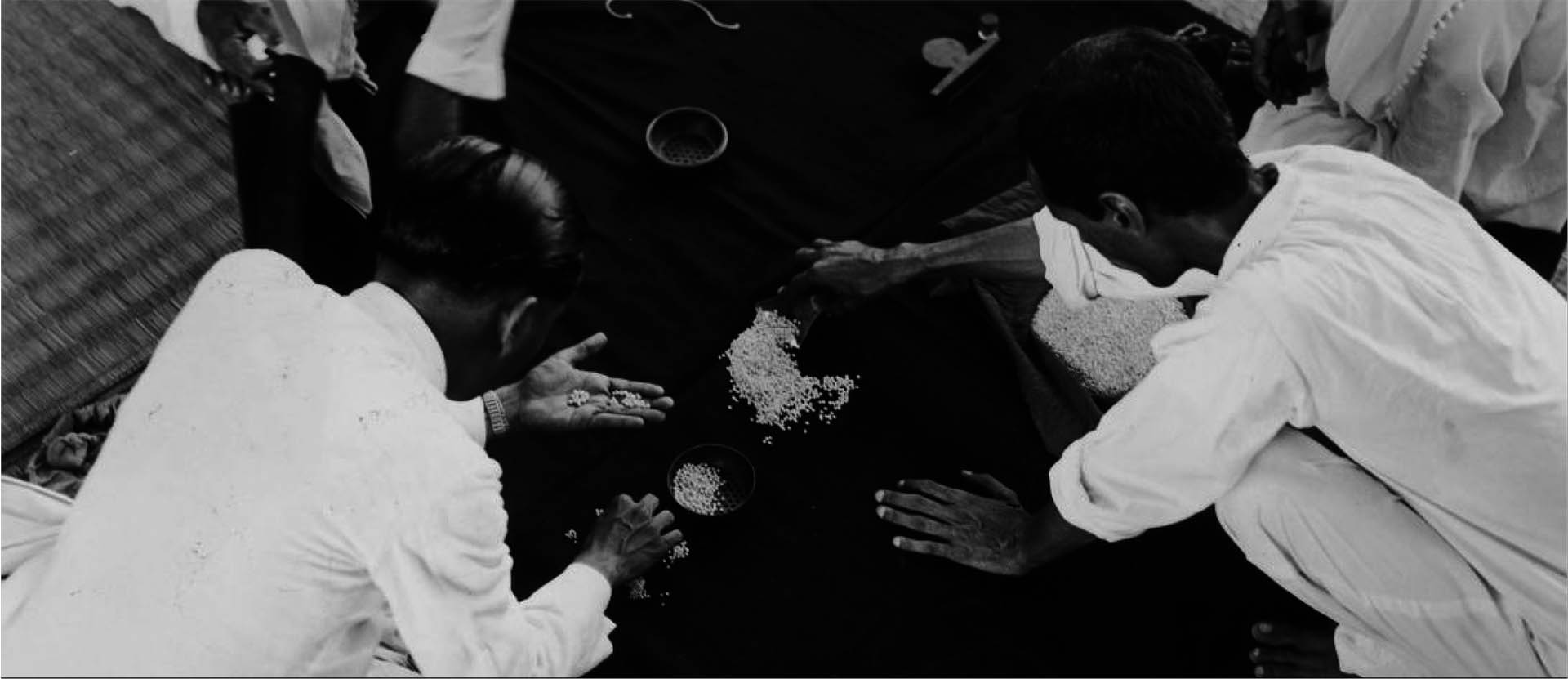
By the eighteenth and nineteenth centuries, pearling had developed into a highly organised economic system shaping patterns of urban settlement along the Gulf’s coasts. Muharraq emerged as a principal centre of this activity, supported by one of the largest pearling fleets in the region and a network of divers, captains and merchants. The industry reached its peak in the late nineteenth and early twentieth centuries before declining in the 1930s, leaving a cultural and architectural legacy that remains a key part of Bahrain’s historical identity.

Revival & Community

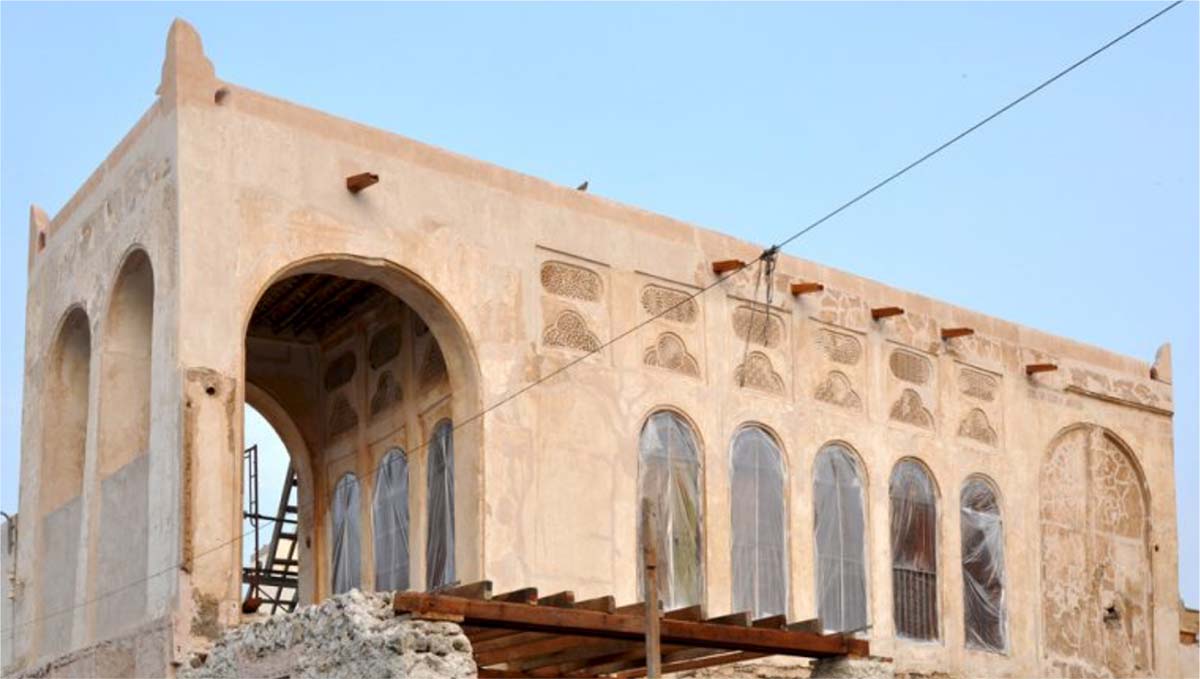
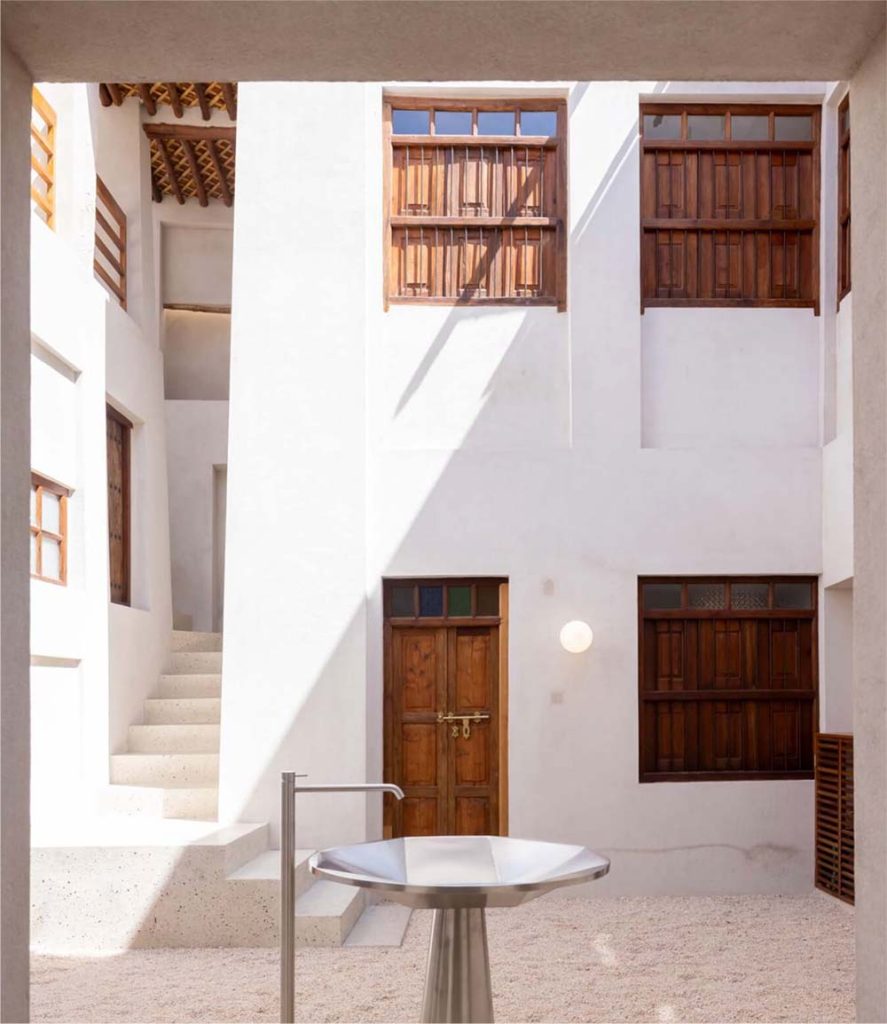
Pearling in Bahrain has seen a renewed revival in recent decades through initiatives focused on preserving and activating this heritage. The restoration of historic sites, alongside growing interest in natural pearls, has helped reintroduce this practice within a contemporary context, strengthening its presence in Bahrain’s cultural life.

DANAT

The Bahrain Institute for Pearls and Gemstones (DANAT) was established in 2017 as a contemporary extension of Bahrain’s pearling heritage. It specialises in the testing and study of natural pearls and gemstones in accordance with the highest scientific standards, building on the legacy of the Pearl and Gem Testing Laboratory, established in 1990 as the first of its kind in the region. DANAT continues to support the industry and reinforce Bahrain’s global standing through its testing and classification services, as well as its educational and research programmes.