History | Muharraq
Pearling Centre
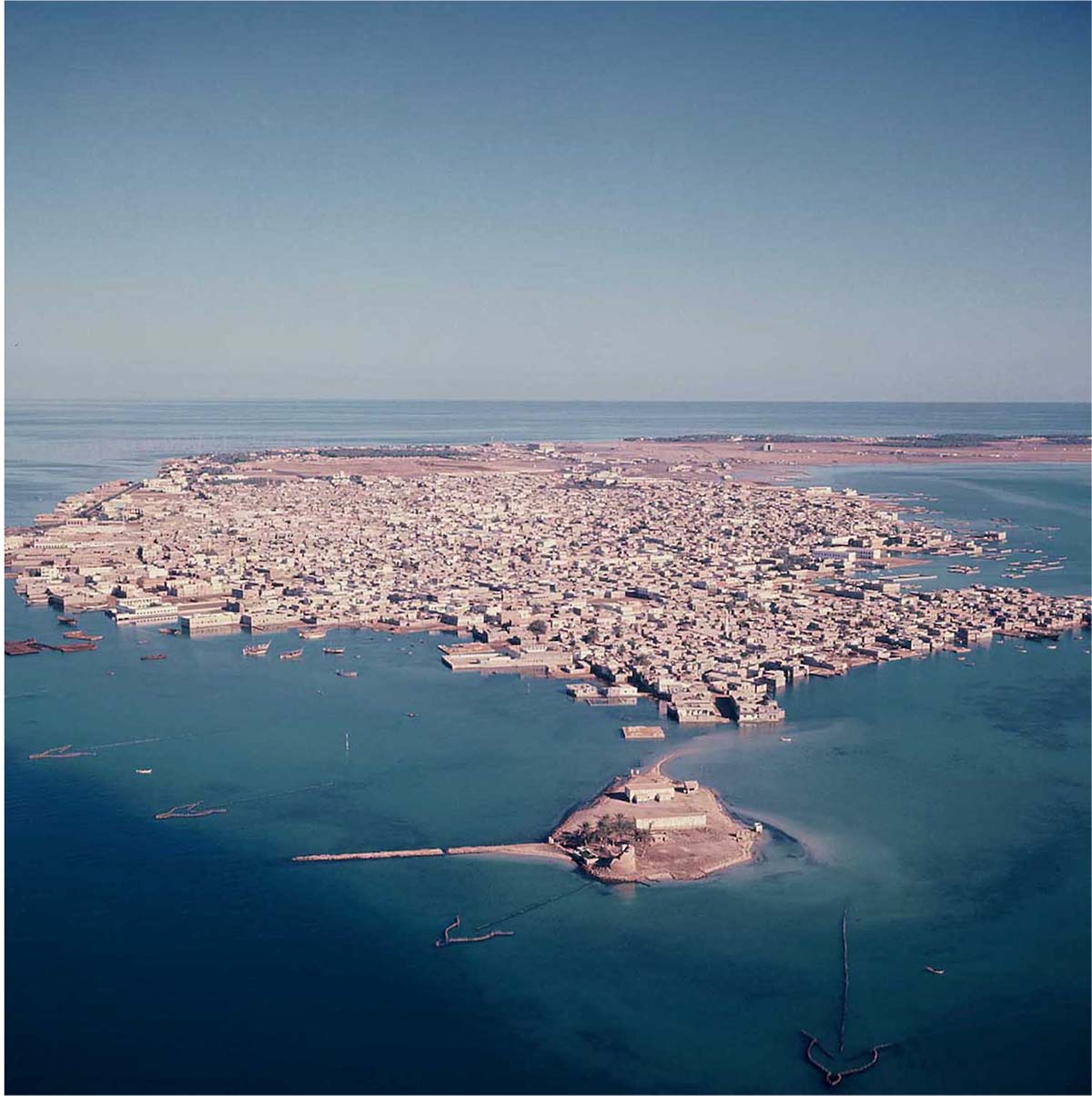
Old Muharraq was the capital of Bahrain from the early nineteenth to the early twentieth century, during the height of the pearling economy. It was the principal centre of pearling in the Arabian Gulf, home to the largest number of divers and one of the region’s most active and prosperous maritime centres. Most of its population was engaged in diving or related professions, and it possessed the largest fleet of pearling vessels. With the growth of the pearling trade, Muharraq developed into a city built of coral stone, helping preserve much of its historic urban fabric.
Urban Fabric
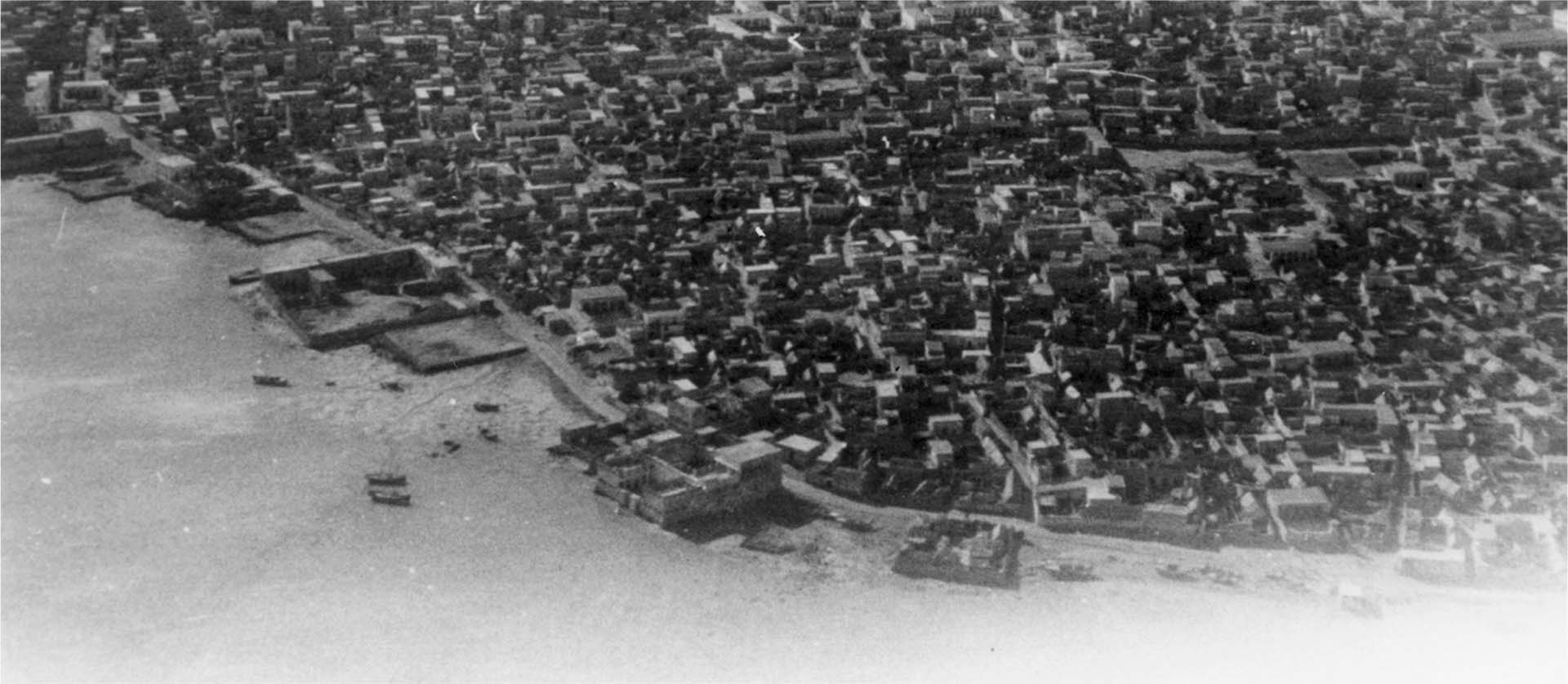
Muharraq developed as a network of neighbourhoods shaped by family ties
and centred around a mosque or majlis. Its urban fabric is characterised by narrow alleyways linking residential areas to the seashore and market, both essential to the pearling economy. With the decline of this activity and the
rise of Manama following the discovery of oil, Muharraq underwent a gradual transformation, while retaining much of its historic fabric. These features continue to define its urban character, providing a rare and tangible link to its pearling past.
Creative Cities Network
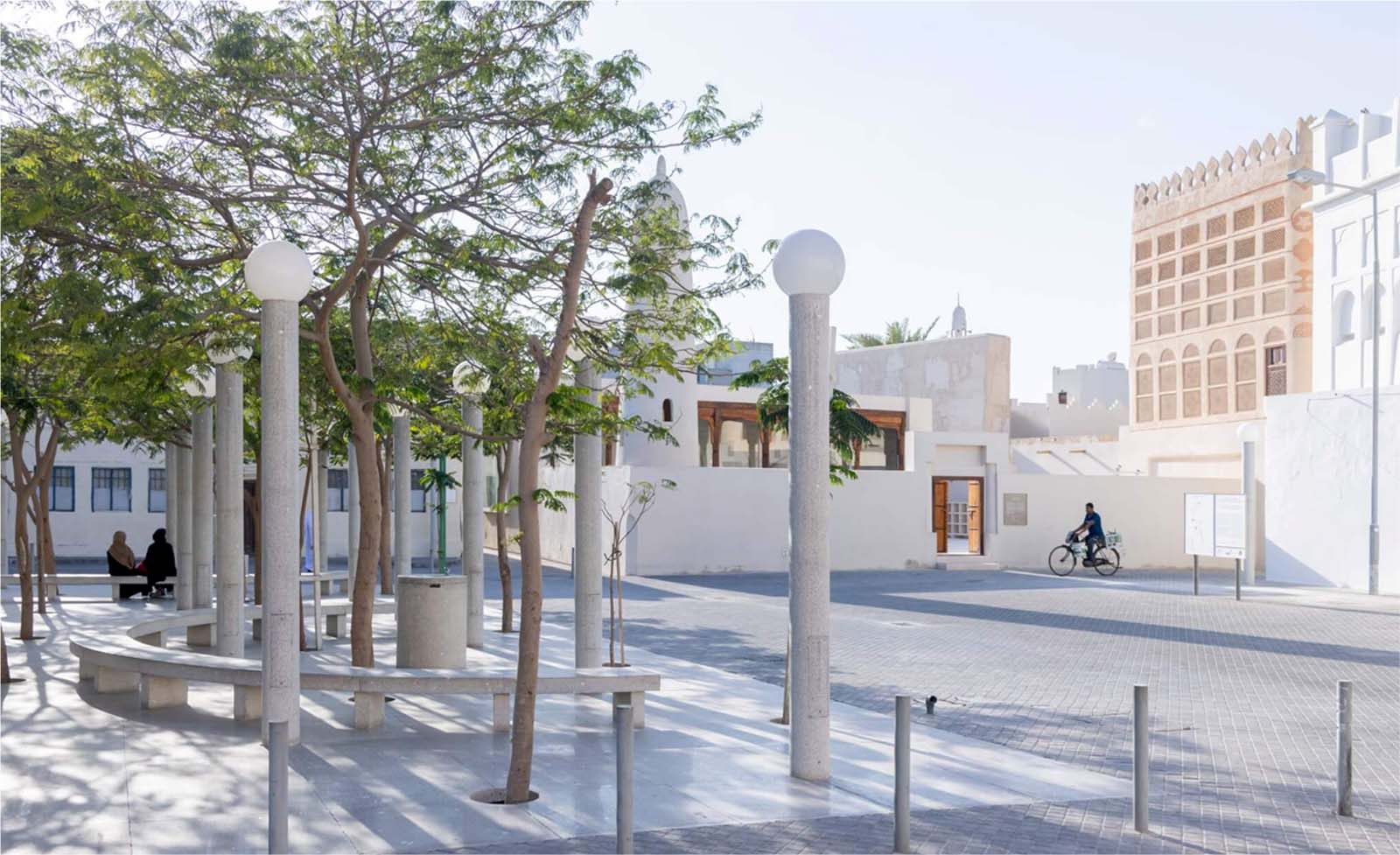
Muharraq was designated a member of the UNESCO Creative Cities Network in 2019 as a Creative City of Design, recognising the integration of its urban heritage with contemporary design practices. This status is grounded in the presence of traditional crafts within its urban fabric, alongside cultural initiatives and urban projects that support the city’s creative life. It also reflects Muharraq’s continued engagement with its surroundings by linking its pearling past to contemporary visions based on innovation, sustainable development, and its role as a regional centre for design and creativity.